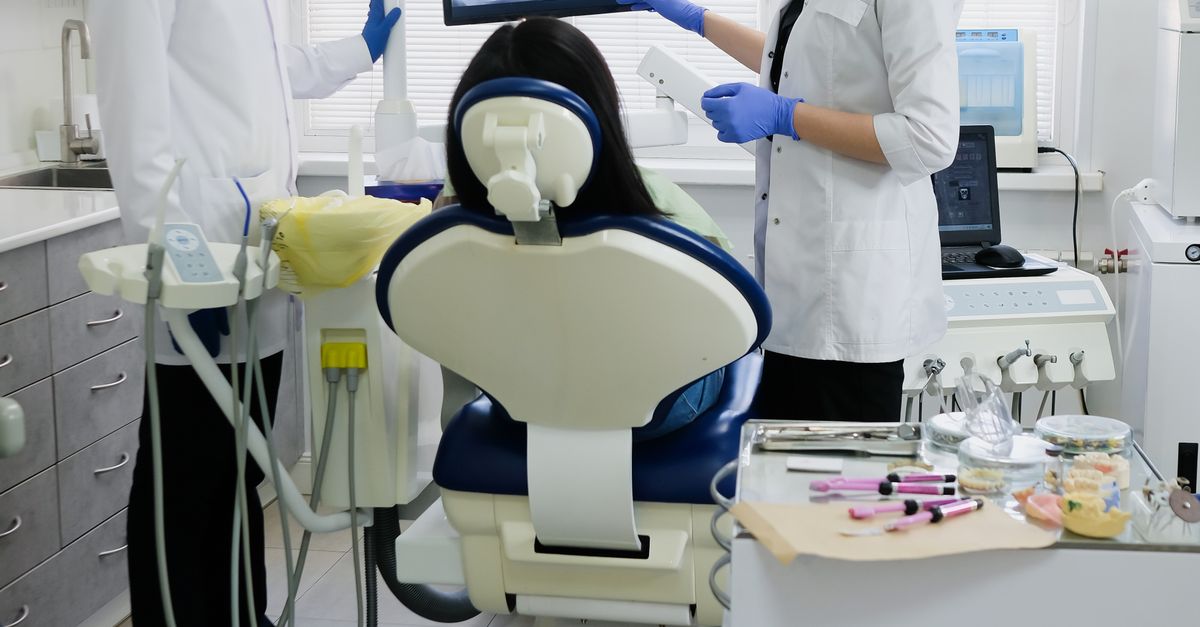
Dental Care Tips for Children with Special Needs
Table Of Contents
Regular Dental Check-Ups
Establishing a routine for dental appointments is essential for children with special needs. Regular check-ups help in identifying potential concerns early and maintaining overall oral health. It allows dental professionals to monitor the development of teeth and address any issues promptly. These visits can also help in acclimatising children to the dental environment, making future appointments less daunting.
Moreover, caregivers should communicate openly with dental practitioners about any specific requirements or sensitivities their child may have. This ensures that the dental team can tailor their approach, creating a more comfortable experience for the child. Preparing the child for what to expect during these visits can alleviate anxiety, making it easier for them to cooperate with examinations and treatments.
What to Expect During Appointments
Dental appointments can vary widely depending on the child’s needs and the specific dental practices. Generally, the appointment will begin with a friendly introduction from the dental team. They may conduct a visual examination, check for any signs of decay, and assess the overall health of the gums and teeth. This process should aim to make the child feel comfortable and relaxed, allowing time for familiarisation with the environment and equipment.
If necessary, additional procedures such as X-rays or cleaning may occur. Parents or guardians should be kept informed throughout the appointment. If a child has sensory sensitivities or particular needs, communicating these preferences can lead to a more positive experience. Dental professionals often have strategies tailored to accommodate various conditions, ensuring the child receives appropriate care while feeling secure.
Nutritional Considerations for Oral Health
A balanced diet plays a crucial role in maintaining optimal oral health for children, particularly those with special needs. Nutrients such as calcium and vitamin D are vital for strong teeth and bones. Encouraging regular consumption of dairy products, leafy greens, and fortified foods can help meet these nutritional requirements. Additionally, staying hydrated with water instead of sugary drinks can significantly reduce the risk of cavities.
It is equally important to be mindful of foods that can contribute to dental issues. Sticky sweets and sugary snacks can cling to teeth and promote decay, making them less ideal choices for children. Instead, providing fresh fruits and vegetables not only supports overall health but also helps in naturally cleaning the teeth. Educating families about making healthy food choices can support long-term dental wellness.
Foods to Encourage and Avoid
Encouraging a balanced diet is vital for maintaining oral health in children, especially those with special needs. Foods rich in calcium, such as dairy products, leafy greens, and fortified plant-based options, support strong teeth and bones. Crunchy fruits and vegetables like apples and carrots can stimulate saliva production, which helps neutralise acids in the mouth. Whole grains and lean proteins also contribute to overall health while promoting oral well-being.
Certain foods should be limited to protect dental health. Sugary snacks and beverages, including candies, sodas, and processed foods, can lead to tooth decay and cavities. Starch-laden snacks like chips can cling to teeth, creating an ideal environment for bacteria. Instead, opt for healthier alternatives that satisfy cravings without compromising dental hygiene. Regularly reviewing and adjusting dietary choices can significantly benefit children’s oral health.
Communicating with Dental Professionals
Effective communication with dental professionals is crucial for ensuring that children with special needs receive the best possible care. Parents and guardians should provide a comprehensive overview of their child’s medical history, including any specific conditions or medications that may impact dental treatment. Sharing details about the child’s sensory sensitivities, behavioural challenges, or any previous experiences in dental settings can help the dental team tailor their approach to create a comfortable environment.
Establishing a rapport with the dentist and support staff contributes to a positive experience. It’s beneficial to ask questions regarding treatment options and techniques that may suit the child's individual needs. If your child uses any communication aids or has preferred ways of communicating, discussing these with the dental team can enhance understanding and cooperation. This collaborative approach fosters a trusting relationship, empowering parents and their children to engage actively in their dental care journey.
Sharing Your Child's Needs and Concerns
Effective communication with dental professionals is vital for ensuring the best possible care for children with special needs. Before the appointment, gather essential information about your child's condition, behaviours, and any specific challenges they may face during dental visits. This background will help the dentist understand your child's unique requirements and tailor their approach accordingly.
During the appointment, openly discuss any sensory sensitivities or anxiety triggers your child may have. It is beneficial to share strategies that have worked in past experiences, such as specific calming techniques or tools that assist in making dental visits smoother. Providing this information fosters an inclusive atmosphere and lets the dental team create a personalised experience that caters to your child’s needs, ultimately leading to better oral health outcomes.
FAQS
How often should my child with special needs visit the dentist?
It's recommended that children with special needs have regular dental check-ups every six months, but your dentist may suggest a different schedule based on your child's specific needs.
What should I prepare for my child's dental appointment?
You should prepare by bringing any relevant medical information, a list of medications your child is taking, and details about their special needs. It can also be helpful to discuss any previous dental experiences your child has had.
Are there specific foods that can help improve my child's oral health?
Yes, encouraging your child to eat crunchy fruits and vegetables, dairy products, and whole grains can help promote better oral health. It's also important to limit sugary snacks and drinks, which can lead to cavities.
How can I communicate my child's needs to the dental professionals?
Before the appointment, consider writing down your child’s needs, preferences, and any concerns you have. Share this information with the dental team and don't hesitate to ask questions to ensure they understand your child's unique requirements.
What can I do if my child is anxious about visiting the dentist?
To help ease anxiety, you can prepare your child by explaining what to expect during the visit in a calm and positive manner. You might also consider scheduling a pre-visit to familiarise them with the dental environment and staff.
Related Links
Best Practices for Managing Teething PainSigns Your Child May Need Orthodontic Evaluation
The Impact of Thumb Sucking on Dental Development
Fun Activities to Teach Kids About Oral Hygiene
The Role of Nutrition in Children's Dental Health
Understanding Childhood Cavities and Their Prevention
How to Choose the Right Dentist for Your Child