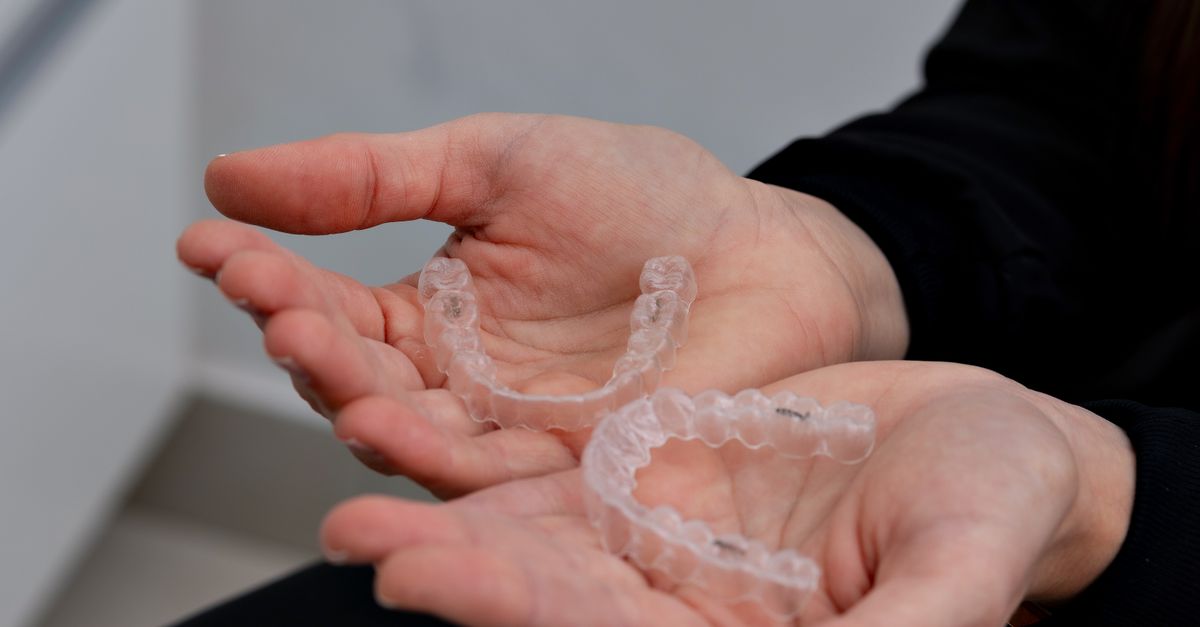
Factors to Consider Before Choosing a Smile Makeover
Table Of Contents
Duration of Treatment
The duration of treatment for a smile makeover can vary significantly based on the specific procedures involved. Common options include teeth whitening, veneers, and orthodontics, each requiring different amounts of time for completion. Simple treatments such as in-office whitening may take just a single appointment, while more extensive work like orthodontic treatments can extend over several months. Patients need to have realistic expectations about the timeline associated with their desired outcomes.
Consultation with a dental professional is essential for understanding the anticipated timeframes for each procedure. Some patients may require preparatory work, such as gum reshaping or extractions, which can add to the overall duration of the treatment plan. Engaging in open discussions with the dentist about personal schedules and commitments will help illuminate the extent of time required, making it easier for individuals to plan accordingly.
Timeframes for Different Procedures
The duration of a smile makeover can vary significantly based on the specific procedures chosen. Treatments such as teeth whitening may only require a single visit, often lasting an hour or two. In contrast, more complex procedures like veneers and orthodontics often take several weeks or even months to complete, depending on the individual’s dental condition and desired outcomes.
Dental implant procedures typically unfold across multiple stages, beginning with the initial consultation and assessment. Following the placement of the implants, a healing period of several months is necessary for the jawbone to integrate with the implants before any restorative work can be completed. Each treatment's timeline should be discussed in-depth with the chosen dental professional to ensure clarity and alignment with personal expectations.
Choosing the Right Dental Professional
Selecting a dental professional for a smile makeover involves careful consideration of their qualifications and experience. A highly skilled dentist should have a solid background in cosmetic dentistry, showcasing a portfolio of past work and a list of satisfied patients. Researching their education and any special certifications can provide insight into their expertise. Look for professionals who stay updated with the latest techniques and trends in the field, as this commitment to continual learning can significantly enhance the outcomes of your treatment.
It’s also crucial to assess the dentist's communication style and approach to patient care. A good professional should be approachable and willing to answer any questions regarding procedures and expectations. Comfort and trust play important roles in the treatment process. Engaging in consultations can help gauge how well the dentist listens to your concerns and personal goals. A strong rapport can lead to better results and a more satisfying overall experience with your smile makeover journey.
Qualifications and Experience to Look For
When selecting a dental professional for a smile makeover, it is essential to evaluate their qualifications. Look for individuals who have completed recognised dental education programs and possess specialisation in cosmetic dentistry. Membership in professional organisations can indicate a commitment to ongoing education and adherence to industry standards. Additionally, reviewing certifications and training specific to procedures of interest can help gauge their expertise.
Experience plays a crucial role in achieving desired results. Inquire about the number of similar procedures the practitioner has carried out and request before-and-after photos of past patients. Patient testimonials can provide insight into the professionalism and skill of the dentist. It is also worth considering whether the dental professional stays up-to-date with the latest techniques and technologies, which can significantly affect the outcome of a smile makeover.
Potential Risks and Considerations
Every dental procedure carries its own set of risks, and it is crucial to understand these before committing to a smile makeover. Patients may experience complications such as infections, sensitivity, or dissatisfaction with the results. Failure to adequately follow post-treatment care instructions can also lead to unwanted outcomes. As such, engaging in open dialogue with your dental professional about potential risks and creating a clear understanding of expectations is essential for a positive experience.
A thorough evaluation of individual dental health is necessary before initiating any cosmetic procedures. Pre-existing conditions, such as gum disease or decay, may complicate the process and impact the final results. Aftercare is equally important, as neglecting maintenance can lead to long-term issues, including the need for additional treatments. Understanding these factors assists in determining the most appropriate course of action for achieving the desired smile transformation.
Understanding Complications and Side Effects
Every dental procedure carries some level of risk, and it is essential to understand the potential complications associated with a smile makeover. Common side effects may include temporary sensitivity in the teeth or gums, swelling, and discomfort during the healing process. In more serious cases, issues such as infections, bite misalignment, or damage to adjacent teeth can occur. Thorough discussions with your dental professional about these risks will help prepare you for what to expect.
Being aware of these possibilities allows for more informed decision-making. A comprehensive consultation can highlight which procedures may carry higher risks for your particular circumstances. Individual factors such as oral health, pre-existing conditions, and lifestyle choices will play a role in determining the likelihood of complications. Taking these elements into account can guide you in selecting the most suitable options for your smile makeover while minimising unwanted outcomes.
FAQS
What is a smile makeover?
A smile makeover is a comprehensive dental treatment that involves various procedures to enhance the appearance of your smile, including teeth whitening, veneers, crowns, and orthodontics.
How long does a smile makeover typically take?
The duration of a smile makeover can vary widely depending on the procedures involved, ranging from a few weeks for simple treatments to several months for more complex cases.
What qualifications should I look for in a dental professional for a smile makeover?
It's important to choose a dental professional with relevant qualifications, such as a degree in dentistry, additional certifications in cosmetic dentistry, and experience in performing smile makeover procedures.
Are there any risks associated with smile makeover procedures?
Yes, potential risks may include complications from anaesthesia, sensitivity, or adverse reactions to materials used. It's crucial to discuss these risks with your dental professional beforehand.
How can I determine if a smile makeover is right for me?
A consultation with a qualified dental professional can help you assess your dental health, understand your aesthetic goals, and determine the best approach for your smile makeover.
Related Links
Personalised Smile Makeovers: Tailoring Solutions for Unique NeedsHow Smile Makeovers Can Boost Your Confidence
Essential Aftercare Tips Following Your Smile Makeover
The Cost of Smile Makeovers: What to Expect in Broadmeadows
Before and After: Real Results from Smile Makeovers
Exploring the Steps Involved in a Comprehensive Smile Makeover