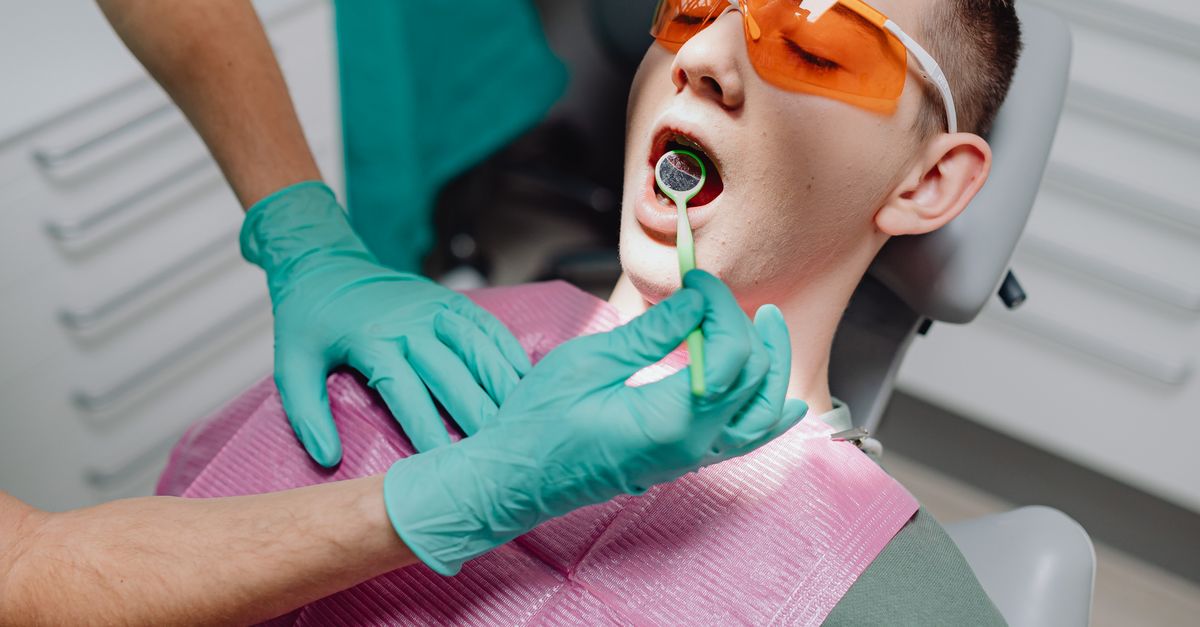
Managing Pain After Oral Surgical Procedures
Table Of Contents
Non-Medication Pain Relief Techniques
Managing discomfort after an oral surgical procedure can often be achieved without the use of medications. Techniques such as mindfulness, deep breathing exercises, and gentle movement can provide significant relief. Engaging in relaxation practices helps divert attention from pain and promotes a sense of well-being. In addition, utilising distractions like listening to calming music or watching a favourite movie can also be effective.
Furthermore, maintaining proper oral hygiene plays a critical role in alleviating post-surgical pain. Rinsing the mouth with warm saltwater can encourage healing and reduce inflammation. Gentle massages around the jaw area may also help relieve tension. Implementing these non-medication strategies allows patients to manage their pain effectively, promoting a smoother recovery journey while minimising reliance on pharmaceutical interventions.
Alternative Approaches to Managing Pain
Various techniques exist for managing pain that do not rely on medication. Practices such as mindfulness, meditation, and deep breathing exercises help in reducing anxiety and perception of pain. Engaging in light activities like walking or stretching can also promote the release of endorphins, which are the body's natural pain relievers. Aromatherapy using essential oils offers additional comfort, providing soothing effects that can enhance relaxation during recovery.
Another option is acupuncture, a traditional Chinese medicine approach that involves inserting fine needles into specific points on the body. Some patients find this technique beneficial for alleviating pain and enhancing their overall sense of wellbeing. Gentle massage can also aid recovery by increasing blood flow to the area and promoting relaxation in surrounding muscles. Exploring these alternative methods can complement conventional pain management strategies and assist in a smoother healing process.
Ice and Heat Therapy
Applying ice to the affected area following oral surgery can significantly alleviate pain and reduce swelling. Cold therapy works by constricting blood vessels, which in turn diminishes inflammation and numbs the area. It is advisable to use an ice pack wrapped in a cloth for short intervals, typically around 15-20 minutes at a time, to avoid skin damage while ensuring effective pain relief. This method proves particularly beneficial within the first few days post-surgery when swelling is at its peak.
As the healing process progresses, transitioning to heat therapy can provide comfort and enhance blood flow to the surgical site. Gentle heat applications encourage relaxation of tense muscles surrounding the area, promoting healing. A warm towel or a heat pack can be applied for similar intervals as with ice. Patients should monitor their responses to both temperature treatments and adjust as necessary, ensuring that each method contributes positively to their recovery experience.
How Temperature Affects Pain Relief
The application of temperature can significantly influence pain management following oral surgical procedures. Cold therapy, often employed in the initial days post-surgery, helps to numb the affected area and reduces swelling. Ice packs should be applied intermittently, typically for 15-20 minutes at a time, allowing the tissues to recover in between sessions. This method is particularly effective in the first 48 hours, aligning with the body's natural response to injury and inflammation.
As healing progresses, heat therapy can play a crucial role in alleviating discomfort. Warm compresses can be utilised to promote blood flow and relax the muscles surrounding the surgical site. This shift from cold to warmth can facilitate recovery by easing stiffness and enhancing nutrient delivery to the healing tissues. It's essential, however, to monitor the temperature to prevent burns, and individual responses may vary, necessitating careful observation of how one's body reacts to each treatment.
Recognising When to Seek Help
After oral surgery, it is essential to monitor your recovery closely. Unusual symptoms can indicate complications that require prompt attention. Persistent or worsening pain often signifies an underlying issue, particularly if it is not alleviated by prescribed pain management strategies. Swelling and bruising are common after such procedures, but if these symptoms intensify instead of gradually improving, it may be time to consult a healthcare professional.
Additionally, any signs of infection should not be overlooked. Fever, an abnormal increase in swelling, or foul-smelling discharge from the surgical site can all suggest that help is needed. Remember that while some discomfort is expected, drastic changes in your condition warrant immediate evaluation. Prioritising your health during recovery ensures a smoother healing journey.
Signs of Complications After Surgery
After undergoing oral surgery, patients should remain vigilant for signs that may indicate complications. Increased swelling that persists beyond the initial recovery period can be an issue. Similarly, severe pain that escalates rather than diminishes could signal an underlying problem like infection. Bleeding that continues or resumes after initial cessation also warrants immediate attention.
On the other hand, if a patient experiences a fever that surpasses a low-grade temperature, it is important to consult a healthcare professional. Unusual tastes or odours in the mouth might suggest a bacterial infection. Additionally, difficulty swallowing or breathing should never be dismissed and requires prompt evaluation. Recognising these signs and responding swiftly can play a crucial role in ensuring a smooth recovery.
FAQS
What are some non-medication pain relief techniques I can use after oral surgery?
Non-medication pain relief techniques include deep breathing exercises, relaxation techniques, and gentle distraction methods such as listening to music or engaging in light activities that do not strain the body.
How can ice and heat therapy help manage pain after oral surgery?
Ice therapy can help reduce swelling and numb the area, providing immediate pain relief, while heat therapy can improve blood flow and soothe sore muscles once the initial swelling has subsided. It’s important to use these therapies appropriately and not to apply them directly to the skin.
What alternative approaches can I consider for managing pain after oral surgery?
Alternative approaches may include acupuncture, aromatherapy, and the use of herbal remedies. However, it’s essential to consult with your healthcare provider before trying any alternative methods to ensure they are safe and suitable for your specific situation.
What signs should I look for to determine if I need to seek help after oral surgery?
You should seek help if you experience severe or worsening pain, excessive bleeding, swelling that does not improve, a fever, or any unusual symptoms that concern you. It’s always better to err on the side of caution and consult your dentist or oral surgeon.
How long should I expect to experience pain after oral surgery?
Pain duration can vary depending on the type of surgery and individual healing processes. Generally, discomfort may last for a few days to a week. If the pain persists beyond this period or is unusually severe, it’s advisable to contact your healthcare provider for further evaluation.
Related Links
Risks and Complications Associated with Oral SurgeryRecovery Tips Following Oral Surgery
The Importance of Follow-Up Care After Oral Surgery
How Oral Surgery Can Impact Your Overall Health
Innovations in Oral Surgery Techniques
When to Consider Wisdom Tooth Extraction
Common Oral Surgical Procedures Explained