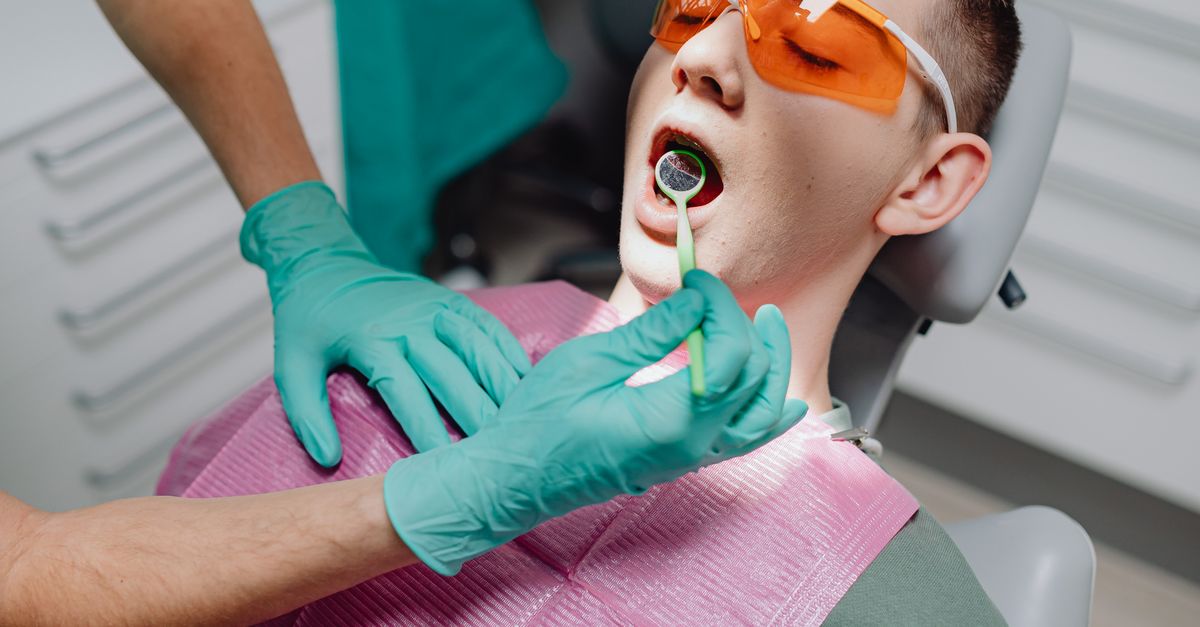
The Process of Getting Dental Veneers Explained
Table Of Contents
The Impressions and Moulds
The first step in the dental veneer process involves creating accurate impressions of the patient's teeth. This is crucial as it ensures that the veneers will fit perfectly and align seamlessly with the existing dental structure. Dental professionals commonly use a dental putty or a digital scanner to capture the precise shape and contour of each tooth. Once the impressions are taken, they will be sent to a dental laboratory where skilled technicians will begin crafting the custom veneers.
Moulds play a significant role in this stage as they provide a three-dimensional model from which the veneers are fabricated. These moulds help to determine not only the shape but also the colour and translucency of the veneers. The technicians will use these specifications to recreate the desired aesthetic, ensuring that the final product enhances the patient’s smile while maintaining functionality. This attention to detail in the impression and mould phase is vital for achieving optimal results and overall satisfaction with the dental treatment.
Creating Custom Fitted Veneers
After the impressions and moulds have been taken, a dental technician will begin the process of crafting custom fitted veneers. This involves taking into account the specific dimensions and characteristics of each tooth, ensuring a precise fit that adheres seamlessly to the natural contours of the teeth. Advanced imaging technology may also be utilised to create a digital 3D model of the patient's teeth, allowing for enhanced accuracy and a more tailored approach.
Once the model is created, the technician selects materials that best reflect the individual's dental aesthetics. Porcelain is a commonly chosen option due to its durability and natural appearance. Each veneer is shaped and shaded meticulously to match the colour and texture of the surrounding teeth. This step not only emphasises functionality but also enhances the overall smile appearance, ensuring that the end result looks as natural as possible while providing the desired transformation.
Temporary Veneers
During the process of receiving dental veneers, it is common for dentists to provide temporary veneers to patients. These temporary options serve a crucial purpose, allowing individuals to experience the look and feel of their new smile while waiting for their custom veneers to be completed. Made from materials such as acrylic or composite resin, they are designed to fit over the prepared teeth, providing protection and an aesthetic enhancement in the interim period.
The use of temporary veneers also allows for any adjustments needed before the final placement. Patients can assess the shape and colour, providing valuable feedback to their dentist. This ensures that the final product meets their expectations and helps to fine-tune aspects of the final veneers before the bonding process. The reliance on temporary veneers can enhance the overall experience, making the transition to the permanent solution smoother.
Why Temporary Options Are Used
Temporary veneers serve a crucial purpose during the waiting period for the final custom-fitted veneers. They allow patients to maintain aesthetics while their permanent options are being crafted in a dental lab. Additionally, these temporaries can provide a preview of the potential final outcome, enabling patients to assess colour, shape, and overall appearance.
Using temporary veneers can also help protect the underlying teeth and gums after enamel has been reshaped. This is particularly important as the process can leave teeth more vulnerable until the final veneers are securely bonded. The temporaries assist in preventing sensitivity and discomfort, ensuring that the transition to the permanent solution is as smooth as possible.
The Final Placement of Veneers
Once the custom veneers are ready, the dentist will conduct a final assessment to ensure they fit comfortably and meet aesthetic expectations. This step usually involves examining the colour, shape, and alignment of the veneers in relation to the surrounding teeth. A trial placement may also be done to check for any necessary adjustments. If everything looks good, the teeth will be cleaned and prepared for the bonding process.
During the bonding process, a special dental adhesive is applied to the back of each veneer. The veneers are meticulously positioned onto the prepared teeth, and light is used to harden the adhesive, ensuring a strong bond. After bonding, excess material is removed, and the final adjustments are made to achieve a perfect finish. This meticulous placement ensures that the veneers look natural and function well within the bite, enhancing both appearance and comfort.
Applying and Bonding the Veneers
The final stage in the process involves securely attaching the veneers to the teeth. The dentist starts by cleaning the surfaces of the teeth to ensure proper adhesion. Once the teeth are prepared, a special dental adhesive is applied, followed by placing the veneers precisely on each tooth. This careful procedure ensures an accurate fit and alignment, which contributes to the overall aesthetic appeal.
After positioning the veneers, a light curing process activates the adhesive, bonding the veneers to the natural teeth. Any excess adhesive is trimmed away to create a polished finish. The dentist will then evaluate the alignment and aesthetic of the veneers, making any necessary adjustments. This meticulous attention to detail contributes to a natural look and feel, enhancing the patient’s smile.
FAQS
What are dental veneers?
Dental veneers are thin, custom-made shells of tooth-coloured materials designed to cover the front surface of teeth to improve their appearance. They can address issues such as discolouration, chips, and gaps.
How long does the process of getting dental veneers take?
The entire process can take a few weeks, typically involving two to three appointments: one for consultation and impressions, one to create custom veneers, and a final appointment for placement.
Are dental veneers permanent?
While dental veneers are durable and can last many years, they are not permanent. They may need to be replaced or repaired over time due to wear or damage.
Do I need to prepare my teeth before getting veneers?
Yes, some preparation is usually required, which may involve removing a small amount of enamel from the teeth to ensure a proper fit for the veneers.
How do I care for my dental veneers?
Caring for dental veneers is similar to caring for natural teeth. Regular brushing, flossing, and dental check-ups are important. Avoiding hard foods and habits like teeth grinding can also help maintain their integrity.
Related Links
The Benefits of Dental Veneers for Achieving a Perfect SmileThe Role of Dental Veneers in Cosmetic Dentistry
Comparing Porcelain and Composite Dental Veneers
Is Dental Veneer Treatment Right for You?
The Cost of Dental Veneers in Broadmeadows
Common Misconceptions About Dental Veneers
Caring for Your Dental Veneers: Maintenance Tips