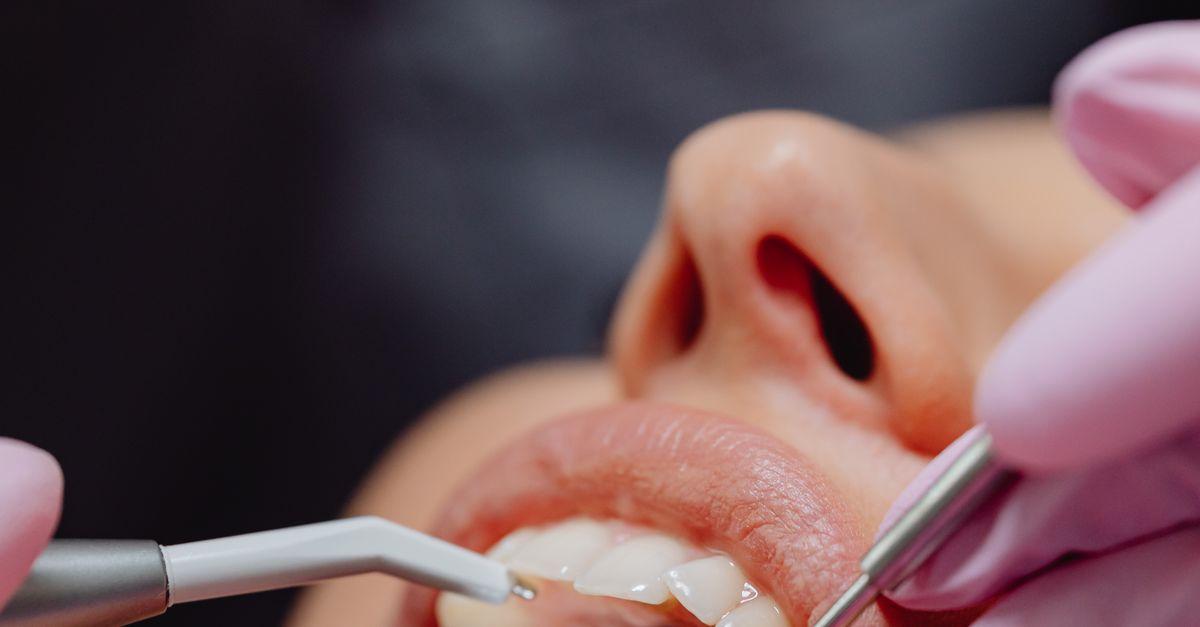
Understanding Periodontal Disease and Its Impact on Oral Health
Table Of Contents
The Relationship Between Periodontal Disease and Overall Health
Gum disease is not just a concern limited to dental health; it has broader implications for overall physical well-being. Research indicates a strong correlation between periodontal disease and various systemic conditions. Individuals suffering from gum disease may experience increased risks for cardiovascular diseases and diabetes. Inflammation caused by periodontal infections can affect the body’s other systems, potentially leading to severe complications.
The relationship extends beyond just direct effects. For instance, poor oral health can exacerbate existing health issues, creating a cycle that challenges both dental and medical treatments. Managing gum disease may improve not only dental health but also reduce the risk of developing other chronic diseases. Therefore, maintaining good oral hygiene is crucial for overall health.
Systemic Implications of Gum Disease
Gum disease does not only affect oral health; it can also have significant repercussions on overall well-being. Research has indicated a strong correlation between periodontal disease and various systemic conditions such as cardiovascular disease, diabetes, and respiratory issues. The inflammation caused by gum infections can contribute to the exacerbation of these health problems, highlighting the importance of maintaining good oral hygiene.
Additionally, the bacteria from periodontal infections can enter the bloodstream, potentially impacting other organs and systems. This connection underscores the necessity for regular dental check-ups and effective oral care practices. Taking proactive steps to prevent and manage gum disease can play a pivotal role in fostering not just a healthy mouth, but also a healthier body overall.
Treatment Options for Periodontal Disease
Addressing periodontal disease typically involves a range of treatment strategies tailored to the severity of the condition. For mild cases, professional dental cleaning can effectively remove plaque and tartar from the teeth and gum line, facilitating a return to healthier gum status. More advanced stages may require deeper cleanings, which may include scaling and root planing. This procedure targets the roots of the teeth, ensuring that bacteria and toxins are eliminated from beneath the gum line, promoting healing.
In situations where conventional treatments are insufficient, surgical interventions might be necessary. Options such as flap surgery allow for direct access to the roots of the teeth, enabling thorough cleaning and the reduction of pockets that harbour bacteria. Additionally, bone grafts can be utilised to restore lost bone tissue, while regenerative procedures may help to regenerate lost gum and bone structures. Each approach is individualised based on the patient's specific needs, ensuring a comprehensive plan to combat periodontal disease effectively.
Non-Surgical Approaches
Non-surgical approaches are essential in managing periodontal disease, particularly in its initial stages. Scaling and root planing serve as foundational treatments that involve the careful removal of plaque and tartar from below the gum line. This procedure not only helps reduce inflammation but also promotes the reattachment of gums to the teeth. Regular professional cleanings are often recommended to maintain oral health and prevent further progression of gum disease.
Another effective method involves the use of locally delivered antimicrobials. These gels or antibiotic microspheres can be placed directly into periodontal pockets during office visits. They target specific bacteria that contribute to gum disease, further aiding in the reduction of infection and inflammation. Patients may also benefit from educational resources that highlight proper oral hygiene practices, as maintaining good dental care at home plays a crucial role in sustaining the positive outcomes achieved through professional treatments.
The Role of Dental Hygiene in Preventing Periodontal Disease
Maintaining a robust dental hygiene routine is essential for preventing periodontal disease. Regular brushing and flossing effectively remove plaque, which is a primary contributor to gum inflammation and disease progression. The use of fluoride toothpaste can strengthen tooth enamel and contribute to overall oral health. It is crucial to brush at least twice a day and to floss daily to ensure that food particles and plaque are thoroughly cleared from between the teeth and along the gum line.
In addition to at-home care, professional dental cleanings play a vital role in preventing periodontal issues. Dentists can identify early signs of gum disease before they escalate. Regular check-ups allow for tailored advice on oral care specific to an individual's needs. This proactive approach not only helps in maintaining healthy gums but also fosters a culture of preventive care that is beneficial to long-term oral health.
Effective Oral Care Practices
Maintaining a consistent oral hygiene routine is essential for preventing periodontal disease. Brushing twice a day with fluoride toothpaste helps to remove plaque and food particles while protecting against decay. Flossing daily is equally important as it reaches areas that a toothbrush cannot, particularly between the teeth and along the gum line. Rinsing with an antibacterial mouthwash can further inhibit the growth of harmful bacteria, contributing to overall gum health.
Regular dental check-ups play a pivotal role in preventive care. These visits allow for professional cleanings that eliminate tartar buildup, which may lead to gum inflammation if left unchecked. Dentists can also provide personalised advice on effective techniques and products suited to individual needs. By following these practices, individuals can significantly reduce the risk of periodontal disease and maintain a healthy smile.
FAQS
What is periodontal disease?
Periodontal disease is a serious gum infection that damages the soft tissue and can destroy the bone that supports your teeth. It is caused by plaque buildup, leading to inflammation and, if untreated, can result in tooth loss.
How does periodontal disease affect overall health?
Periodontal disease can have systemic implications, contributing to various health issues such as heart disease, diabetes, and respiratory problems. The inflammation caused by gum disease may increase the risk of these conditions.
What are the common treatments for periodontal disease?
Treatment options for periodontal disease include both non-surgical and surgical approaches. Non-surgical treatments may involve professional cleaning, scaling and root planing, while surgical treatments can include flap surgery and bone grafts to restore damaged tissues.
How can I prevent periodontal disease?
Preventing periodontal disease involves maintaining good dental hygiene practices, such as brushing twice daily, flossing regularly, and visiting your dentist for check-ups and cleanings. Healthy lifestyle choices, such as a balanced diet and avoiding tobacco, also play a crucial role.
What are effective oral care practices for maintaining gum health?
Effective oral care practices include using fluoride toothpaste, employing proper brushing techniques, using an antibacterial mouthwash, and regularly flossing. It's also important to schedule routine dental visits for professional cleanings and assessments.
Related Links
Signs and Symptoms of Gum Disease You Should Not IgnoreRisks and Complications of Untreated Gum Disease
Understanding the Stages of Periodontal Disease
Nutritional Tips for Supporting Gum Health
The Importance of Periodontal Maintenance After Treatment