Why You Should Seek Emergency Dental Care for Trauma
Table Of Contents
What to Expect During an Emergency Visit
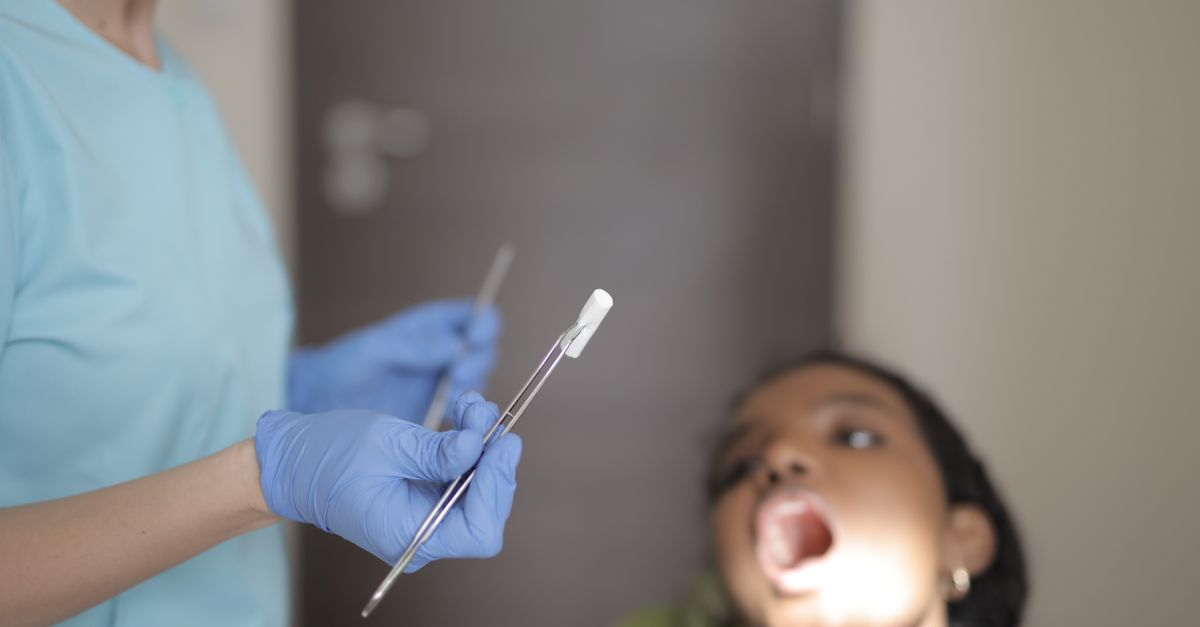
Upon arrival at the emergency dental clinic, you will typically be greeted by reception staff who will ask for your details and any relevant medical history. It is important to inform them about the circumstances of your dental trauma, including how it occurred and the extent of your injury. Once your information is processed, you will likely be taken to a treatment room where a dentist will conduct an initial assessment. They may take X-rays if necessary to understand the full scope of the injury and determine the best course of action.
During the examination, the dentist will check the affected area for fractures, dislocation, or other damage. Pain management will be a priority, and you may receive local anaesthesia to ensure your comfort throughout the procedure. Depending on the nature of your injury, immediate treatments can range from stabilisation of damaged teeth to more complex procedures like splinting or tooth extraction. Following the assessment, the dentist will explain your treatment options and any subsequent care instructions you will need.
Typical Procedures in Emergency Dentistry
Dental trauma can result in various injuries that require immediate attention from a professional. Common procedures performed during emergency visits include tooth reimplantation, where a dentist may attempt to reposition and stabilise a knocked-out tooth. This procedure must occur quickly to increase the chances of saving the tooth. Additionally, dental fractures often necessitate treatments like bonding or crowns, depending on the severity of the break.
Another frequent procedure involves addressing severe pain resulting from dental infections. In such cases, the dentist may perform root canal therapy to remove the infected pulp and alleviate discomfort. If a tooth cannot be saved, extraction becomes necessary to prevent further complications. Each emergency visit aims to address immediate concerns while setting the foundation for any additional treatments that may be required subsequently.
Finding the Right Emergency Dentist
When faced with a dental emergency, selecting the right professional can significantly impact the outcome of your treatment. Start by searching for dentists who explicitly offer emergency services. Many dental clinics in Australia have dedicated emergency hours or on-call staff to address urgent cases. Checking the qualifications and experience of potential dentists is also crucial, as this information can provide insights into their ability to handle different types of dental trauma.
Proximity is another important factor to consider while selecting an emergency dentist. A nearby clinic ensures quicker access during urgent situations, which can make a difference in severe cases. It’s also advantageous to read reviews and testimonials from previous patients. This feedback can reflect the level of care provided as well as the clinic's overall reliability.
Key Factors to Consider
When searching for an emergency dentist, it is crucial to assess their availability and response times. An ideal provider should be accessible during evenings and weekends, accommodating urgent needs outside of regular business hours. Proximity to your home or workplace is another important consideration. A nearby clinic can save precious time in a dental emergency, which is often vital for successful treatment.
Qualifications and experience of the dental team should be top priorities in your search. Always check for appropriate certifications and specialisations in emergency care. Reading patient reviews can provide insights into the practitioner’s approach and effectiveness. Also, consider the range of services offered, ensuring the clinic can handle various emergencies, from fractures to infections. Choosing a well-equipped facility enhances the likelihood of receiving comprehensive care swiftly.
Preventive Measures to Avoid Dental Trauma
Maintaining good oral health plays a crucial role in reducing the risk of dental trauma. Regular dental check-ups ensure that any potential issues, such as cavities or misaligned teeth, are addressed early. Additionally, wearing a mouthguard during sports or high-impact activities can significantly shield against injuries that lead to broken or knocked-out teeth. It is important to choose a well-fitted mouthguard tailored to an individual's dental structure for maximum protection.
Educating children about the importance of dental safety can also help prevent injuries. Teaching them to avoid habits such as chewing on hard objects or using teeth as tools minimises the chances of accidents. Encouraging safe play and the use of protective gear during recreational activities ensures a proactive approach to preventing dental trauma. Such measures can foster a culture of safety that can last a lifetime.
Tips for Protection Against Injuries
One effective way to protect against dental injuries is to wear proper mouthguards during activities that pose a risk of trauma, such as contact sports or high-impact recreational activities. Custom-fitted mouthguards provide better protection than generic models, as they are designed to suit the unique contours of an individual's mouth. Athletes and active individuals should consider making mouthguards a standard part of their protective gear, just like helmets and pads.
Maintaining good oral hygiene is crucial for overall dental health and can indirectly reduce the severity of injuries. Strong, healthy teeth are less likely to fracture during accidents. Regular dental check-ups can identify potential issues, allowing for preventive measures such as fillings or sealants. Additionally, educating children and adolescents about safe practices in sports can further diminish the risk of dental trauma.
FAQS
What constitutes a dental emergency?
A dental emergency typically includes situations such as severe tooth pain, a knocked-out tooth, a broken or fractured tooth, uncontrolled bleeding, or any injury to the mouth or jaw that requires immediate attention.
How do I know if I need to visit an emergency dentist?
If you are experiencing significant pain, swelling, or trauma to your teeth or gums that cannot wait until regular office hours, it’s advisable to seek emergency dental care.
What should I do if I knock out a tooth?
If you knock out a tooth, try to handle it by the crown (the white part) and avoid touching the root. Rinse it gently with water if it’s dirty, and if possible, place it back in the socket. If that’s not feasible, store it in a container of milk or saliva and seek emergency dental help immediately.
Can I get treatment for dental trauma outside of regular office hours?
Yes, many dental practices offer emergency services outside of regular office hours. It's important to find a dentist who provides these services or to contact local emergency dental clinics.
What preventive measures can I take to avoid dental trauma?
To prevent dental trauma, you can wear a mouthguard during sports, maintain good oral hygiene, avoid chewing on hard objects, and be cautious during activities that pose a risk to your teeth.
Related Links
The Importance of Timely Dental Care for Traumatic InjuriesUnderstanding the Types of Dental Trauma: What to Look For
Treating Fractured Teeth: Options and Outcomes
Common Causes of Dental Injuries and Prevention Tips
How to Assess the Severity of Dental Injuries
The Role of Dental X-Rays in Trauma Evaluation
Recognising Signs of Dental Trauma in Children
Immediate Steps to Take After a Tooth Injury
Follow-Up Care After Dental Trauma: Essential Guidelines