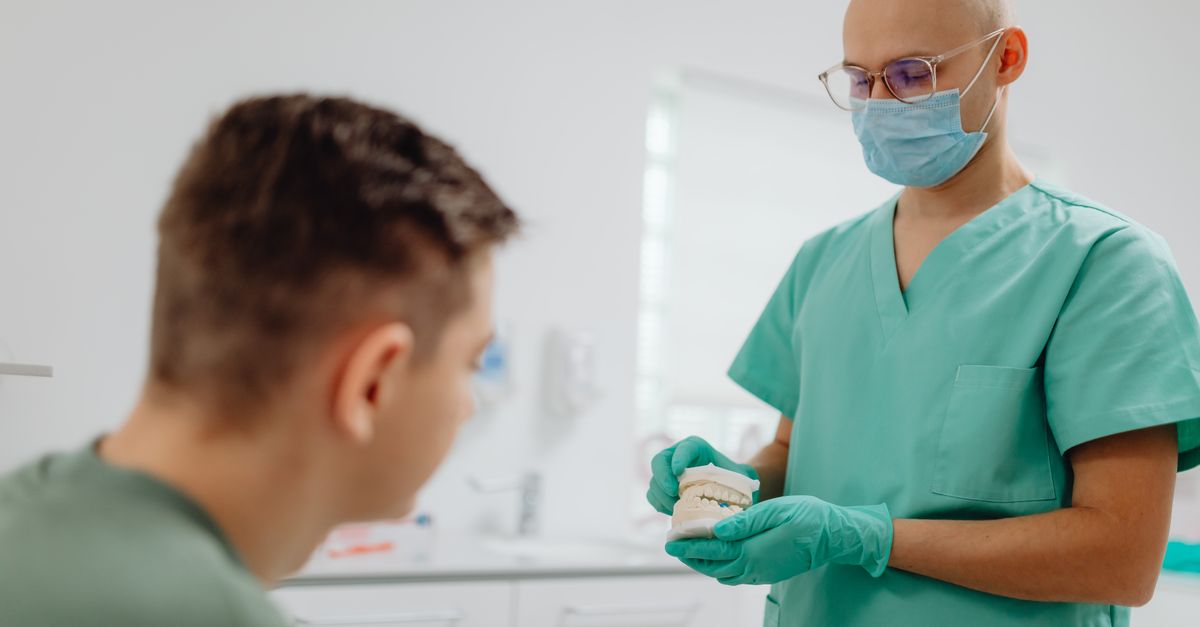
Importance of Early Dental Check-ups for Children in Broadmeadows
Table Of Contents
The Connection Between Dental Health and Overall Well-being
Good dental health plays a significant role in a child's overall well-being. Regular dental check-ups help in the early detection of potential issues that could lead to more serious health concerns later on. Conditions such as cavities or gum disease can affect not only oral health but also a child’s ability to eat and speak properly. Maintaining a healthy mouth contributes to improved self-esteem and social interaction, allowing children to feel confident in their appearance and communication.
Moreover, the link between oral health and systemic health has been well-documented. Poor dental hygiene can lead to infections that may impact the heart and other organs. Research suggests that untreated dental problems in childhood can predispose individuals to health complications as adults. Therefore, establishing good oral hygiene habits early on fosters a foundation for lifelong health, illustrating how integral dental care is to a child's physical and emotional development.
How Oral Health Affects Development
Dental health plays a crucial role in a child's growth and development. Healthy teeth are essential for proper nutrition, as they enable children to chew food effectively. When children experience dental issues, it can lead to discomfort that may hinder their ability to eat a balanced diet. This can consequently affect their physical health and overall growth trajectory. Furthermore, oral health influences speech development; children with dental problems may struggle with pronunciation, impacting their communication skills.
The presence of dental issues can also affect a child's self-esteem and social interactions. Children who are self-conscious about their teeth may refrain from smiling or speaking up in class, potentially hindering their social development. Additionally, untreated dental issues can lead to more significant health problems down the line, affecting not only oral health but also general well-being. Early dental check-ups help identify potential issues before they escalate, promoting a healthier, happier childhood.
Financial Considerations for Dental Visits
Dental visits can come with various costs, which may deter some families from prioritising oral health. Understanding these potential expenses is crucial. Regular check-ups, preventive treatments, and potential emergencies can accumulate costs. Many families may worry about how to manage these fees within their budgets.
Insurance coverage significantly impacts the total out-of-pocket expenses for dental visits. Various policies provide different levels of coverage for child dental care. Families should carefully review their insurance benefits and seek plans that include routine check-ups, cleanings, and other essential services. By becoming aware of available options, parents can make informed decisions that support their children's dental health without financial strain.
Understanding Costs and Insurance Options
Navigating the financial aspects of dental care can be daunting for parents. The cost of a child's dental check-up can vary based on factors such as the clinic's location, the specific services rendered, and the age of the child. In Broadmeadows, many dental clinics offer competitive pricing and tailored packages for families, ensuring that early check-ups remain accessible. Understanding the range of services included in the initial visit, such as consultations, examinations, and basic preventative treatments, can help in budgeting effectively for your child’s oral health needs.
Insurance coverage plays a crucial role in managing dental expenses. Families should take the time to review their health fund policies to identify what dental services are covered and the extent of these benefits. Many health insurance providers in Australia offer packages that specifically cater to dental care, which can significantly reduce out-of-pocket costs. Being well-informed about available options allows parents to make educated decisions and maximise their benefits during visits to the dentist.
Scheduling Dental Appointments
Establishing a routine for dental appointments is crucial for children's oral health. Parents should aim to schedule their child’s first visit to the dentist by the age of one or within six months after their first tooth emerges. This early introduction helps children become familiar with the dental environment and sets the stage for a positive relationship with oral care in the future. Regular check-ups, ideally every six to twelve months, enable dentists to monitor the development of teeth and address any concerns before they escalate.
Timing plays a significant role in making dental visits less stressful for children. Scheduling appointments during quieter periods, such as early mornings or late afternoons, can help reduce wait times. Additionally, finding a dentist who caters to children's needs can make the experience more enjoyable. Taking these steps can contribute to better cooperation during visits and an overall healthier attitude towards oral hygiene in children.
Recommended Timelines for Check-ups
Regular dental check-ups play a crucial role in a child's overall oral health. The Australian Dental Association recommends that children visit the dentist for the first time before their first birthday or once their first tooth appears. Early visits allow for the assessment of dental development and the opportunity to provide parents with guidance on proper oral hygiene practices.
Subsequent appointments are generally recommended every six months for children, depending on their individual needs. Factors such as dental history, diet, and risk of cavities can influence the frequency of visits. Maintaining a consistent schedule ensures that potential issues are identified and treated early, helping to establish a foundation for a lifetime of good oral health.
FAQS
Why are early dental check-ups important for children?
Early dental check-ups are crucial as they help identify potential dental issues before they become serious, promote good oral hygiene habits, and contribute to overall health and well-being.
At what age should my child have their first dental check-up?
It is recommended that children have their first dental check-up by the age of one or within six months of their first tooth appearing.
What can I expect during my child's first dental appointment?
During the first appointment, the dentist will examine your child's teeth and gums, provide guidance on proper oral hygiene, and discuss dietary habits that promote dental health.
How can I manage the costs associated with dental visits?
Many dental practices offer payment plans or accept health insurance that covers children's dental care. It's best to check with your provider about specific coverage options.
How often should my child have dental check-ups?
It is generally recommended that children have dental check-ups every six months, although your dentist may suggest a different schedule based on your child's specific needs.
Related Links
Tips for Reducing Dental Anxiety in Young PatientsBest Practices for Managing Teething Pain
Dental Care Tips for Children with Special Needs
Signs Your Child May Need Orthodontic Evaluation
The Impact of Thumb Sucking on Dental Development
Fun Activities to Teach Kids About Oral Hygiene
The Role of Nutrition in Children's Dental Health
Understanding Childhood Cavities and Their Prevention
How to Choose the Right Dentist for Your Child