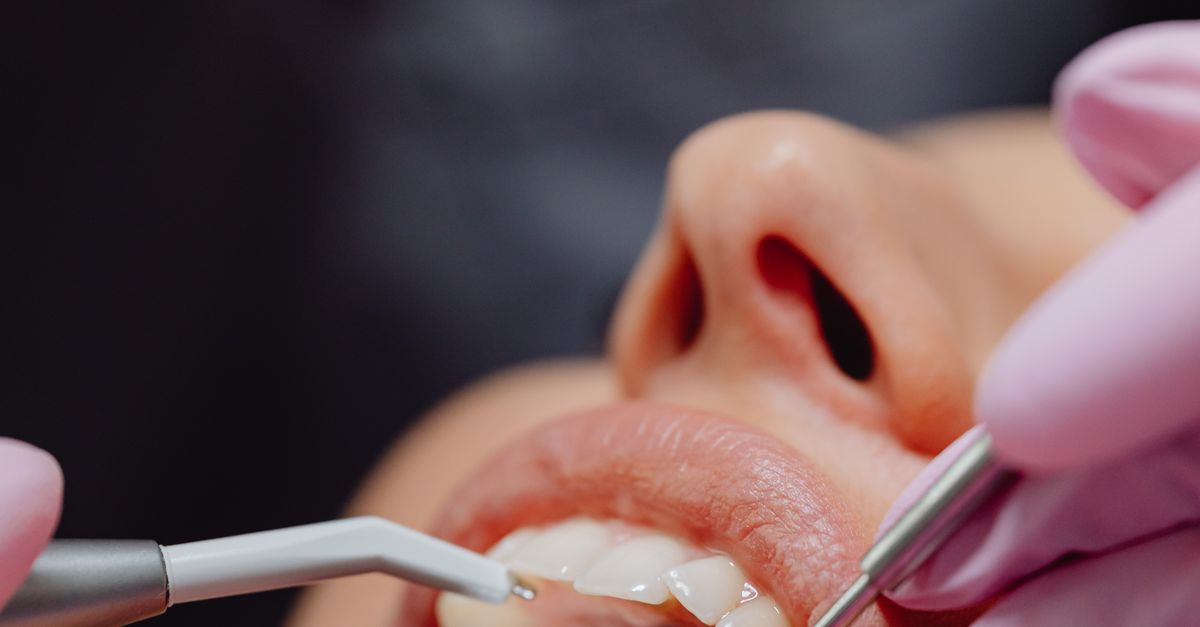
The Importance of Professional Supervision During Teeth Whitening
Table Of Contents
Long-Term Effects of Teeth Whitening
Teeth whitening is an effective cosmetic procedure that many people pursue to enhance their smile. However, understanding the long-term effects is crucial for maintaining optimal dental health. While many individuals enjoy immediate results, some may experience sensitivity or altered tooth structure over time. This sensitivity, often temporary, can be exacerbated by excessive or improper use of whitening products, whether done in a dental office or at home.
Moreover, the longevity of whitening results can vary significantly based on individual habits. Consumption of staining substances such as coffee, tea, and red wine can lead to a quicker reversion to discoloured teeth. Maintaining regular dental check-ups helps mitigate these effects, as dental professionals can provide tailored advice on effective maintenance and potential re-treatment options to ensure prolonged satisfaction with teeth whitening effects.
Maintaining Your Results
After undergoing a professional teeth whitening treatment, maintaining the results requires attention and dedication. Regular oral hygiene practices, including brushing and flossing, play a crucial role in preserving the brightness of your smile. Additionally, limiting the intake of staining foods and beverages such as coffee, red wine, and berries can significantly extend the life of your results. By being mindful of what you consume and how you care for your teeth, you can enjoy a whiter smile for an extended period.
Regular dental check-ups are also beneficial for maintaining your whitening results. During these visits, the dental professional can assess the condition of your teeth and provide fresh insights on continuing care. Touch-up treatments may be recommended based on individual needs, ensuring that your smile remains vibrant. Engaging in open discussions with your dentist about your whitening goals will help tailor an ongoing maintenance plan that works best for you.
The Importance of Dental Health Assessments
Dental health assessments serve as a critical foundation before undergoing any cosmetic procedure, including teeth whitening. These evaluations allow dental professionals to identify existing issues such as cavities, gum disease, or enamel erosion. Addressing these concerns before treatment can prevent complications that might arise from the application of whitening agents. Additionally, understanding a patient's overall oral health creates a tailored plan that maximises safety and effectiveness during the whitening process.
Regular dental check-ups also play a significant role in ensuring that the chosen whitening method aligns with the patient’s individual needs. Each person’s dental condition varies, which may influence the choice between in-office treatments or at-home kits. A thorough assessment ensures that the procedure selected will not only enhance aesthetics but also support long-term dental health. Educated decisions based on professional evaluations can lead to satisfying outcomes and minimise the risk of adverse reactions.
Pre-Treatment Evaluations and Why They Matter
Before undergoing teeth whitening procedures, it is crucial to assess an individual's dental health. This evaluation helps identify any underlying issues, such as cavities or gum disease, that could complicate the treatment. Moreover, a thorough examination ensures that the chosen whitening method aligns with the patient's unique dental conditions. Factors like enamel thickness and sensitivity levels must be taken into account to achieve optimal results while minimising potential discomfort.
These pre-treatment evaluations also provide an opportunity for dental professionals to educate patients about realistic expectations and aftercare. Understanding that not everyone will achieve the same level of whiteness can help avoid disappointment. Additionally, discussing the safest options for their specific dental situation prepares patients for a more satisfactory experience. Awareness of potential side effects and proper maintenance strategies reinforces the importance of a tailored approach to teeth whitening.
Cost of Professional Teeth Whitening
The expense associated with professional teeth whitening can vary significantly based on the method chosen and the dental practice. In-office treatments, which are typically conducted by trained professionals, often involve advanced techniques and higher-quality products, leading to increased fees. These services generally provide immediate results, making them appealing for those seeking a quick transformation.
At-home whitening kits, while more affordable, may not produce the same level of effectiveness or rapid results. Many patients opt for this route due to the convenience and lower upfront costs. However, it is essential to consider the long-term value of professional services, as they often ensure safer and more consistent outcomes, thereby reducing the risk of complications that can arise from improper use of over-the-counter products.
Comparing Expenses of In-Office vs. At-Home Treatments
In-office teeth whitening treatments typically come with a higher price tag due to the professional expertise involved and the use of advanced technology. Dental professionals employ stronger whitening agents that can produce quicker and more noticeable results compared to over-the-counter products. While the upfront cost might seem daunting, many consider it an investment in their overall dental health and aesthetics, as the results can last significantly longer than those achieved with at-home options.
On the other hand, at-home whitening kits offer a more budget-friendly alternative for individuals seeking to enhance their smiles without a hefty financial commitment. These products often contain lower concentrations of active ingredients, which may lead to gradual results over time. However, the convenience and flexibility of at-home treatments appeal to many, allowing them to incorporate whitening into their daily routines. Ultimately, the choice between in-office and at-home options often hinges on individual preferences, specific dental needs, and planned budgets.
FAQS
Why is professional supervision important during teeth whitening?
Professional supervision ensures that the procedure is conducted safely and effectively, minimising the risk of side effects and achieving optimal results tailored to your individual dental health.
What are the potential long-term effects of teeth whitening?
Long-term effects may include tooth sensitivity, gum irritation, or uneven whitening results if not supervised properly. Professional oversight helps mitigate these risks.
How can I maintain my teeth whitening results after the treatment?
To maintain results, practice good oral hygiene, avoid staining foods and beverages, and consider periodic touch-ups or professional cleanings as recommended by your dentist.
What does a dental health assessment involve before teeth whitening?
A dental health assessment includes a thorough examination of your teeth and gums, reviewing your dental history, and determining if you are a suitable candidate for whitening.
How do the costs of in-office teeth whitening compare to at-home treatments?
In-office treatments tend to be more expensive due to the professional supervision and advanced technology used, while at-home kits may be more affordable but often yield less effective results without professional guidance.
Related Links
How to Choose the Right Teeth Whitening Method for YouTeeth Whitening for Sensitive Teeth: Safe Options Available
The Impact of Age on Teeth Whitening Results
Common Myths About Teeth Whitening Debunked
The Role of Nutrition in Maintaining Whitened Teeth
Managing Sensitivity After Teeth Whitening Treatment
Understanding the Teeth Whitening Process at Your Dentist