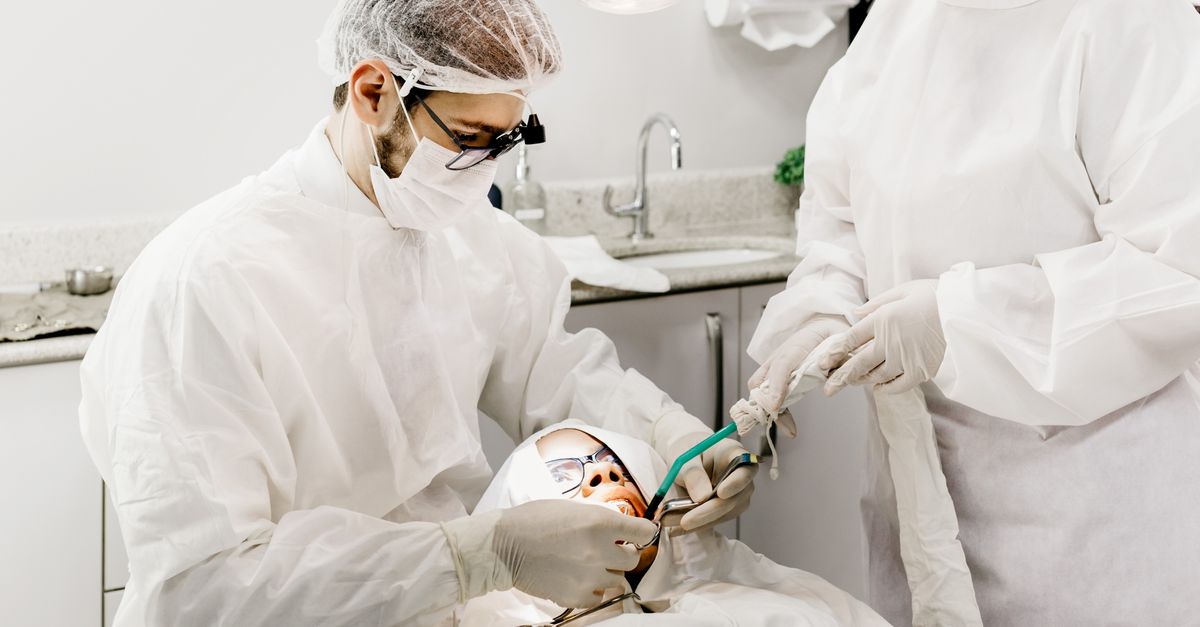
Understanding the Teeth Whitening Process at Your Dentist
Table Of Contents
How Long Do Results Last?
The duration of teeth whitening results varies depending on the method used and individual lifestyle choices. Generally, professional treatments can lead to noticeable improvements that last anywhere from six months to two years. Factors such as oral hygiene, diet, and habits like smoking play a significant role in the longevity of the results. Routine maintenance is essential for sustaining the brightness achieved through whitening procedures.
Patients often find that regular dental check-ups and cleanings help prolong their results. Additionally, minimising consumption of stain-causing foods and beverages can significantly impact teeth whiteness. Using specific dental products designed for maintaining whitening can further assist in keeping smiles bright. Awareness of one's habits and proactive care will contribute to longer-lasting results.
Factors Affecting Whitening Longevity
The longevity of teeth whitening results can vary significantly from person to person. Diet plays a crucial role, as consuming staining foods and beverages like red wine, coffee, and certain fruits can undermine the effects of whitening treatments. Additionally, smoking or using tobacco products can lead to faster discolouration, negating the brightening achieved through professional whitening.
Oral hygiene habits also greatly influence how long results last. Regular brushing and flossing help maintain brightness by reducing plaque and stains. Over time, natural wear and tear from grinding or clenching teeth may cause the whitening effects to diminish. Regular dental check-ups can aid in preserving results and ensuring that any emerging issues are addressed promptly.
Recommended Aftercare for Whiter Teeth
Maintaining the vibrant results of professional teeth whitening requires some attention to your oral hygiene habits. Regular brushing and flossing are essential to prevent the build-up of plaque and stains. Consider using a whitening toothpaste to help keep your smile bright in the weeks following your treatment. Additionally, scheduling routine dental check-ups can help monitor the health of your teeth, ensuring that they remain as white as possible.
Your dietary choices play a significant role in the longevity of whitening results. Be cautious with foods and beverages known to stain teeth, such as red wine, coffee, and dark sauces. If you consume these, rinsing your mouth with water afterwards can help reduce their staining potential. Opting for a straw when drinking beverages that might stain can also protect your newly whitened teeth.
Best Practices to Maintain Your Bright Smile
Maintaining your bright smile after a professional teeth whitening treatment requires consistent effort. Regular dental check-ups play a crucial role in monitoring your oral health. Your dentist can provide tailored advice on maintaining whiteness and addressing any discolouration early. Daily oral hygiene practices, including brushing at least twice a day with a fluoride toothpaste and flossing, help prevent stains from foods and beverages that can dull your newly whitened teeth.
Limiting the consumption of stain-causing substances, such as coffee, red wine, and certain sauces, can significantly extend the life of your bright smile. If you indulge in these items, rinsing your mouth with water can help minimise their effects. Additionally, using a straw for beverages can reduce contact with your teeth. Over-the-counter whitening products may be tempting but should be used cautiously and sparingly, as excessive use can lead to enamel erosion and sensitivity.
Cost of Professional Teeth Whitening
The cost of professional teeth whitening can vary significantly depending on several factors, including the type of treatment chosen and the dental practice's location. In Australia, patients might expect to pay anywhere from $300 to $1,000. In-office treatments tend to be on the higher end of the spectrum due to the use of advanced technology and immediate results, while take-home kits generally offer a more budget-friendly option.
Patients should also consider additional expenses that may arise. Some clinics may charge a consultation fee before commencing treatment, especially if a thorough examination is required to assess the suitability for whitening. Additionally, regular maintenance and touch-up treatments can contribute to the overall cost, making it essential for individuals to assess their long-term plans for maintaining their newly whitened smile.
Understanding Pricing Structures
The cost of professional teeth whitening can vary significantly based on several factors. Dental practices may offer different pricing models, which typically depend on the type of whitening procedure chosen, the location of the clinic, and whether any complementary services are included. In-clinic treatments are usually more expensive than at-home kits provided by the dentist, but they can deliver quicker and more dramatic results.
Additionally, some dental insurance plans may cover a portion of the whitening costs, while others may not include cosmetic procedures at all. It’s important for patients to discuss options with their dentist to understand what is available, particularly any packages or promotions the clinic might have. This transparency allows individuals to make informed decisions about their investment in a brighter smile.
FAQS
How long do teeth whitening results typically last?
The longevity of teeth whitening results can vary, but generally, they may last anywhere from six months to two years, depending on individual habits and dental care.
What factors can affect how long my teeth stay white?
Several factors can influence the duration of whitening results, including diet, oral hygiene, smoking, and the use of certain medications that might stain teeth.
What aftercare practices should I follow after teeth whitening?
After whitening, it's advisable to avoid foods and drinks that can stain teeth, such as coffee, red wine, and dark berries, for at least 48 hours. Additionally, maintaining good oral hygiene is essential.
Are there specific products recommended to maintain my bright smile?
Yes, using a whitening toothpaste, mouthwash, and following a regular dental check-up schedule can help maintain your smile. Additionally, consider touch-up treatments as advised by your dentist.
How much does professional teeth whitening cost?
The cost of professional teeth whitening can vary widely, typically ranging from $300 to $1,500, depending on the type of treatment and the dentist's location. It's best to consult with your dentist for a precise estimate.
Related Links
Managing Sensitivity After Teeth Whitening TreatmentComparing In-Office and At-Home Teeth Whitening Solutions
How to Choose the Right Teeth Whitening Method for You
The Importance of Professional Supervision During Teeth Whitening
Teeth Whitening for Sensitive Teeth: Safe Options Available
The Impact of Age on Teeth Whitening Results
Common Myths About Teeth Whitening Debunked
The Role of Nutrition in Maintaining Whitened Teeth