Caring for Your Bonded Teeth: Tips for Long-lasting Results
Table Of Contents
Regular Dental Check-ups
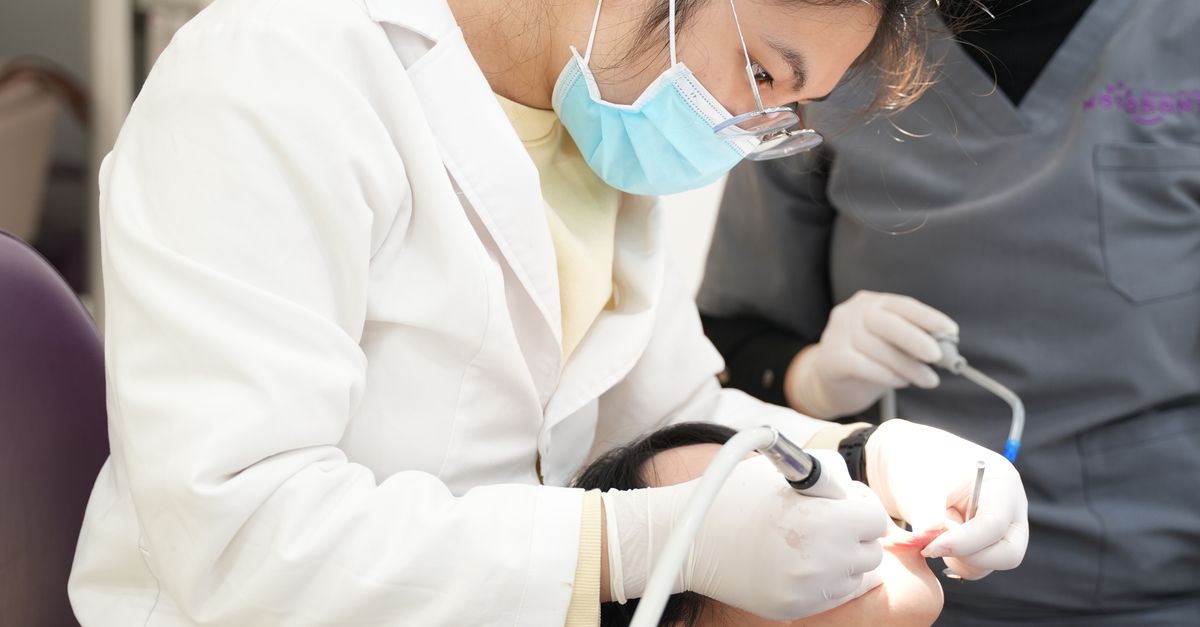
Routine visits to the dentist are crucial for maintaining the integrity of bonded teeth. Regular check-ups allow professionals to monitor the condition of your bonding materials. They can also identify any potential issues before they escalate, ensuring that your smile remains bright and healthy.
During these appointments, dentists can provide important treatments aimed at enhancing the longevity of your dental work. Professional cleaning helps remove plaque and tartar, preventing discolouration and damage. Additionally, these visits create an opportunity for personalised advice tailored to your specific dental needs, supporting the health of your bonded teeth over time.
Why Routine Visits are Essential
Regular dental check-ups play a critical role in maintaining the health and longevity of bonded teeth. These visits allow your dentist to monitor the condition of your bonding material and ensure it remains intact. Professional cleanings help remove plaque and tartar build-up, reducing the risk of gum disease and cavities that can compromise the integrity of your dental work.
Additionally, routine visits enable early detection of any issues that may arise. A dentist can spot signs of wear and tear, discolouration, or any damage to bonded areas. Catching these problems early means that more extensive treatments can be avoided, leading to increased satisfaction and durability of your dental bonding.
Addressing Stains and Discolouration
Stains and discolouration can significantly affect the appearance of bonded teeth, detracting from your overall smile. Factors such as food, beverages, and tobacco use often contribute to this issue. Maintaining good oral hygiene practices is fundamental in preventing accumulation of stains. Regular brushing and flossing can help minimise the impact of these external factors, keeping your bonded teeth looking brighter for longer.
When it comes to addressing existing stains, it is essential to choose appropriate methods to avoid damaging the bonding material. Many over-the-counter whitening products contain harsh chemicals that can erode the bond or alter its colour. Consult with a dental professional to explore safe and effective whitening options. Professional cleaning treatments may also be recommended to help restore the natural shine of your bonded teeth without causing harm.
Safe Whitening Options for Bonded Teeth
When it comes to brightening your smile without compromising your bonded teeth, there are several gentle whitening options available. Professional whitening treatments, often performed in a dental office, use lower concentrations of bleach, reducing the risk of damage to your bonding material. This method not only targets discolouration but also allows for a more controlled application, ensuring that your natural teeth blend seamlessly with the bonded areas.
At-home whitening kits designed for sensitivity can also provide effective results. These kits typically include custom trays that fit over your teeth, allowing for even application of the whitening gel. It is important to consult with your dentist before starting any whitening regimen. They can guide you on the safest products to use and ensure that your bonding remains intact while achieving a brighter smile.
Dealing with Wear and Tear
Bonded teeth can experience wear and tear over time, particularly due to everyday activities such as chewing and grinding. Awareness of how these materials respond to various stresses is crucial. Factors including diet, oral hygiene practices, and habits like nail-biting or using teeth to open packaging can significantly influence the longevity of your bonding. Regularly inspecting your bonded teeth can aid in identifying minor issues before they escalate.
Signs indicating the need for repair may include visible chips, changes in colour, or a noticeable uneven surface. If you notice any discomfort or increased sensitivity in the bonded area, attention is warranted. Consulting with your dentist can help determine whether re-bonding or a different treatment option is necessary. Prompt action may save you from more extensive repairs later on.
Signs Your Bonding May Need Repair
Bonded teeth can show signs of wear and tear over time. One common indication that your bonding may need repair is the appearance of chips or cracks. These imperfections can weaken the bonding material and compromise its durability. Additionally, if you notice any changes in the surface texture or feel rough when brushing, it could suggest that the bonding has started to break down.
Stains and discolouration can also indicate a need for attention. While bonded teeth can resist some staining, they are not completely immune. If you find that the colour of your bonded teeth significantly differs from your natural teeth or other dental work, it may time to consult with your dentist. Regular monitoring of your bonded areas will help maintain an attractive and functional smile.
FAQS
How often should I schedule dental check-ups for my bonded teeth?
It is recommended to schedule dental check-ups at least every six months to ensure the health and longevity of your bonded teeth.
Can I use regular whitening products on my bonded teeth?
No, it's best to avoid regular whitening products as they can damage the bonding material. Consult your dentist for safe whitening options specifically designed for bonded teeth.
What are the common signs that my bonded teeth may need repair?
Common signs include noticeable chips, discolouration, or if the bonding feels rough to the touch. If you experience any of these issues, it's wise to consult your dentist.
Are there specific foods I should avoid to keep my bonded teeth in good condition?
It's advisable to limit foods that are hard, sticky, or highly pigmented, such as red wine, coffee, and certain berries, as they can stain or damage the bonding material.
How can I maintain the appearance of my bonded teeth at home?
Maintaining good oral hygiene by brushing twice a day, flossing daily, and using a non-abrasive toothpaste can help keep your bonded teeth looking their best. Additionally, regular visits to your dentist for professional cleanings are beneficial.
Related Links
Addressing Common Myths About Cosmetic BondingComparing Cosmetic Bonding and Veneers: Which is Right for You?
Cosmetic Bonding for Chipped Teeth: A Quick Fix
Choosing the Right Shade for Your Cosmetic Bonding
The Role of Cosmetic Bonding in Smile Design
The Cost of Cosmetic Bonding in Broadmeadows: Is It Worth It?
How Cosmetic Bonding Can Transform Your Teeth in One Visit