Choosing the Right Shade for Your Cosmetic Bonding
Table Of Contents
Consultation with a Dental Professional
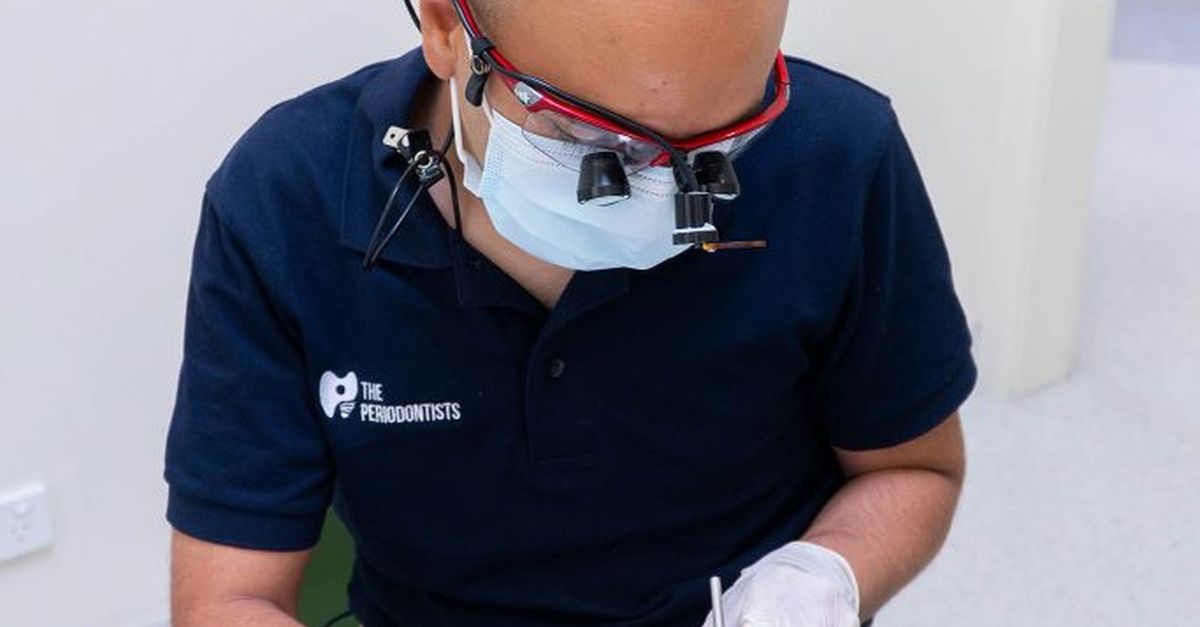
Consulting a dental professional is essential when considering cosmetic bonding. These experts possess the knowledge and experience necessary to evaluate your unique dental situation. They can assess factors such as tooth colour, shape, and alignment, helping you select a shade that complements your natural teeth. Personalised recommendations can significantly enhance the aesthetic outcome and ensure that the bonding integrates seamlessly with your smile.
In addition to shade selection, a dental professional can provide insights into the suitability of bonding for your needs. They will discuss the various materials available and their long-term benefits. By addressing any concerns and answering your questions, a dentist plays a crucial role in building your confidence in the decision-making process. Their guidance can lead to a successful cosmetic result, improving both the appearance of your smile and your overall dental health.
Benefits of Seeking Expert Advice
Consulting with a dental professional allows for a personalised approach to selecting the right shade for cosmetic bonding. An expert can assess factors such as the natural colour of your teeth, the surrounding gum tissue, and the desired aesthetic outcome. This tailored guidance helps to ensure that the bonding appears natural and blends well with your existing teeth.
Additionally, a dental professional possesses experience in matching shades and understanding how different materials react to light. This expertise can save time and frustration by avoiding potential mismatches. Furthermore, a knowledgeable dentist can recommend products that facilitate long-lasting results, ultimately enhancing both the functionality and appearance of the bonding.
Testing the Shade Before Application
Ensuring an accurate match between the bonding material and the surrounding tooth structure is crucial for a natural appearance. Dental professionals often utilise shade guides during the consultation to determine the most suitable colour. These guides feature a range of shades that allow for direct comparison against the patient’s teeth in various lighting conditions. This step helps in identifying the ideal hue that can blend seamlessly with the existing enamel.
Another effective method involves taking a digital shade measurement, which provides a more precise colour match. Some clinics are equipped with specialised devices that capture colour data from the teeth, offering a detailed analysis of shade nuances. By employing these techniques, dentists increase the likelihood of achieving a harmonious aesthetic. Careful consideration at this stage sets the foundation for a cosmetic bonding treatment that looks both beautiful and discreet.
Methods for Shade Testing
When considering the appropriate shade for cosmetic bonding, dental professionals often utilise various methods to ensure a perfect match with the surrounding teeth. One common technique involves using shade guides, which consist of a range of tooth colours labelled for reference. The dentist holds the guide next to the affected teeth in different lighting conditions to assess which shade blends seamlessly. This visual comparison aids in selecting a colour that appears natural and consistent with the patient's smile.
Additionally, digital tools have become increasingly popular in the shade testing process. Advanced equipment can capture the colour of existing teeth and produce a digital shade match. This technology improves accuracy and minimises human error, ensuring that the bonding aligns well with the patient’s overall dental aesthetics. The combination of traditional visual methods and modern technology enhances the effectiveness of shade selection, catering to individual preferences and unique tooth characteristics.
Maintenance of Cosmetic Bonding
To ensure cosmetic bonding remains in optimal condition, proper care is essential. Regular brushing and flossing are crucial practices that help prevent plaque buildup around the bonded area. Using a soft-bristled toothbrush and fluoride toothpaste can protect the bonding material while also promoting overall oral health. Avoiding abrasive whitening pastes or strong mouthwashes will further preserve the integrity of the bonding.
Regular dental check-ups should not be neglected. These visits allow professionals to examine the bonding and identify any potential issues before they escalate. They can also offer tailored advice on specific oral care routines suitable for maintaining the aesthetics and functionality of the bonding. Additionally, being mindful of habits such as nail-biting or chewing hard objects can prevent unnecessary damage.
Keeping Your Bonding Looking Fresh
Regular maintenance is essential for ensuring the longevity and appearance of your cosmetic bonding. Daily oral hygiene practices play a crucial role; brushing at least twice a day with a non-abrasive toothpaste helps prevent discolouration and plaque build-up. Flossing daily removes food particles that could contribute to staining, particularly around the bonded areas. Additionally, visiting your dentist for routine check-ups and professional cleanings can help maintain the integrity and aesthetics of the bonding material.
Avoiding certain foods and habits can further preserve the fresh look of your bonding. Staining beverages like coffee, tea, and red wine should be consumed in moderation or followed by rinsing your mouth with water. Habits such as smoking can lead to discolouration and should be minimised to keep your smile bright. For those concerned about the appearance of bonding over time, using a whitening toothpaste designed for cosmetic procedures can also assist in maintaining its colour.
FAQS
Why is it important to consult a dental professional before choosing a shade for cosmetic bonding?
Consulting a dental professional ensures that you receive expert advice tailored to your unique dental needs, helping you select a shade that complements your natural teeth and achieves a balanced aesthetic.
What are the benefits of seeking expert advice for cosmetic bonding shades?
Expert advice can provide insights into the most suitable shade based on your skin tone, the current colour of your teeth, and the type of cosmetic bonding material used, ensuring a more natural and harmonious appearance.
How can I test the shade of cosmetic bonding before application?
There are several methods for shade testing, including using shade guides provided by dental professionals, holding up samples against your natural teeth, or using digital shade-matching technology to find the perfect match.
What should I do if my cosmetic bonding discolours over time?
If your cosmetic bonding discolours, it’s advisable to consult your dental professional for an evaluation. They may recommend professional cleaning, polishing, or even replacing the bonding to restore its original appearance.
How can I maintain the appearance of my cosmetic bonding?
To keep your cosmetic bonding looking fresh, practice good oral hygiene, avoid staining foods and beverages, and schedule regular dental check-ups to monitor the condition of the bonding and address any issues promptly.
Related Links
Comparing Cosmetic Bonding and Veneers: Which is Right for You?The Role of Cosmetic Bonding in Smile Design
Cosmetic Bonding for Chipped Teeth: A Quick Fix
Addressing Common Myths About Cosmetic Bonding
Caring for Your Bonded Teeth: Tips for Long-lasting Results
The Cost of Cosmetic Bonding in Broadmeadows: Is It Worth It?
How Cosmetic Bonding Can Transform Your Teeth in One Visit
The Process of Cosmetic Bonding: What to Expect at Your Dentist