The Cost of Cosmetic Bonding in Broadmeadows: Is It Worth It?
Table Of Contents
Ideal Candidates for Cosmetic Bonding
Individuals with minor dental imperfections may find cosmetic bonding to be an appealing option. This procedure is particularly suitable for those who seek to address issues like chips, cracks, discolouration or gaps between teeth. Because of its versatility, bonding can enhance the appearance of teeth while providing a less invasive alternative to more extensive dental treatments.
Candidates should have realistic expectations about the results. Ideal individuals are often those looking for quick fixes without undergoing significant dental procedures. Good oral health is essential for anyone considering bonding, as issues such as decay or gum disease can affect the outcome and longevity of the treatment. Consulting with a dental professional can help determine if bonding fits specific dental needs.
Assessing Your Dental Needs
Before considering cosmetic bonding, it is essential to evaluate your dental needs thoroughly. An assessment of your oral health should include a review of existing issues such as cavities or gum disease, which may need addressing prior to any cosmetic procedures. Additionally, understanding the state of your teeth and the desired outcomes can guide you toward the most suitable treatment options. This ensures that cosmetic bonding aligns not only with your aesthetic goals but also with your overall dental health.
Consulting with a qualified dentist is a must during this assessment phase. They can provide professional recommendations based on factors like tooth alignment, colour, and existing wear. A comprehensive examination will help ascertain if bonding is the right choice for you or if alternative treatments would yield better results. Clear communication with your dentist about your expectations and concerns can lead to a tailored treatment plan that meets your needs.
How to Choose a Cosmetic Dentist
Selecting the right cosmetic dentist is crucial for achieving the desired results in cosmetic bonding. Begin by researching local practitioners and paying close attention to their qualifications. Look for dentists who are members of professional organisations such as the Australian Dental Association, as this indicates a commitment to continual education and adherence to industry standards. Online reviews and before-and-after photos from previous patients can provide valuable insights into their work and patient satisfaction.
Experience is another key factor in your decision-making process. Inquire about the dentist’s experience specifically with cosmetic bonding and similar procedures. A practitioner with a strong portfolio of successful cases will likely possess the skills necessary to address your unique dental needs. Ensure that you feel comfortable during initial consultations, as this rapport can greatly influence your overall experience and satisfaction with the results.
Credentials and Experience to Look For
When searching for a cosmetic dentist, assessing their qualifications is crucial. Look for dentists who hold relevant degrees from recognised institutions. Additional certifications in cosmetic dentistry are a bonus. A portfolio showcasing their previous work can give potential patients insight into their skills and aesthetic approach.
Experience plays a significant role in successful cosmetic procedures. Ask how long they have been practising and how many cases similar to yours they have handled. Dentists with a strong track record in cosmetic bonding are often better equipped to manage any unforeseen challenges during the treatment process. Reading patient reviews can provide further insight into the quality of care and results you can expect.
Aftercare for Cosmetic Bonding
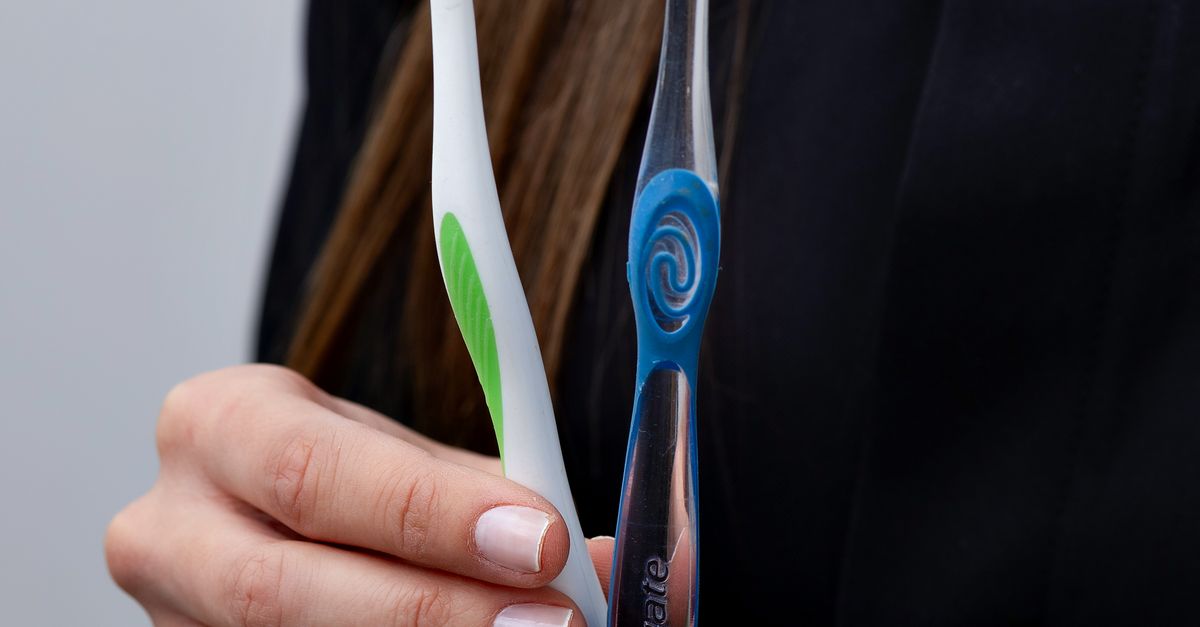
Maintaining proper oral hygiene is essential after receiving cosmetic bonding. Patients should continue with their regular brushing and flossing routine to prevent plaque buildup around the bonded areas. It's advisable to use a soft-bristled toothbrush to avoid causing any damage to the bonding material. Regular dental check-ups are equally important, as they allow professionals to assess the condition of the bond and ensure that the teeth remain healthy.
In addition to hygiene practices, certain lifestyle choices can impact the longevity of cosmetic bonding. Avoiding foods and drinks that stain, such as coffee, red wine, and certain berries, will help preserve the appearance of the bonded areas. If you engage in activities that could lead to dental injuries, such as sports, wearing a mouthguard can provide an extra layer of protection for the bonded teeth. Adhering to these aftercare steps can significantly contribute to the durability and aesthetics of the cosmetic bonding.
Tips for Prolonging the Lifespan
To maintain the durability of cosmetic bonding, it's essential to adopt a consistent oral hygiene routine. Regular brushing and flossing can help prevent plaque buildup, which might cause discolouration or damage to the bonded areas. Using a soft-bristled toothbrush and non-abrasive toothpaste can protect the bond from wear. Professional dental cleanings are also recommended. Visiting your dentist regularly allows for early detection of any issues that might threaten the integrity of the bonding.
Avoiding certain habits can significantly extend the lifespan of cosmetic bonding. Chewing hard foods or using teeth as tools can lead to chips or cracks in the material. Additionally, refraining from smoking or consuming staining beverages, such as coffee and red wine, will help keep the bonding looking fresh and appealing. It’s beneficial to discuss specific aftercare practices with your dentist. Personalised advice can ensure that your cosmetic bonding remains effective and aesthetically pleasing over time.
FAQS
What is cosmetic bonding?
Cosmetic bonding is a dental procedure where a tooth-coloured resin material is applied to teeth to improve their appearance, correct imperfections, or enhance their shape.
How much does cosmetic bonding cost in Broadmeadows?
The cost of cosmetic bonding in Broadmeadows can vary depending on the complexity of the procedure and the dentist's experience, typically ranging from $200 to $600 per tooth.
How long does cosmetic bonding last?
Cosmetic bonding can last anywhere from 3 to 10 years, depending on factors such as the location of the bonding, oral hygiene practices, and whether you grind your teeth.
Are there any risks associated with cosmetic bonding?
While cosmetic bonding is generally safe, potential risks include sensitivity, staining, or chipping of the bonded material, especially if proper aftercare is not followed.
How can I maintain my cosmetic bonding?
To maintain your cosmetic bonding, practice good oral hygiene by brushing and flossing regularly, avoid hard foods, and schedule regular dental check-ups to monitor the bonding's condition.
Related Links
The Role of Cosmetic Bonding in Smile DesignHow Cosmetic Bonding Can Transform Your Teeth in One Visit
Cosmetic Bonding for Chipped Teeth: A Quick Fix
Addressing Common Myths About Cosmetic Bonding
Caring for Your Bonded Teeth: Tips for Long-lasting Results
Comparing Cosmetic Bonding and Veneers: Which is Right for You?
Choosing the Right Shade for Your Cosmetic Bonding
The Process of Cosmetic Bonding: What to Expect at Your Dentist
Understanding the Benefits of Cosmetic Bonding for a Flawless Smile